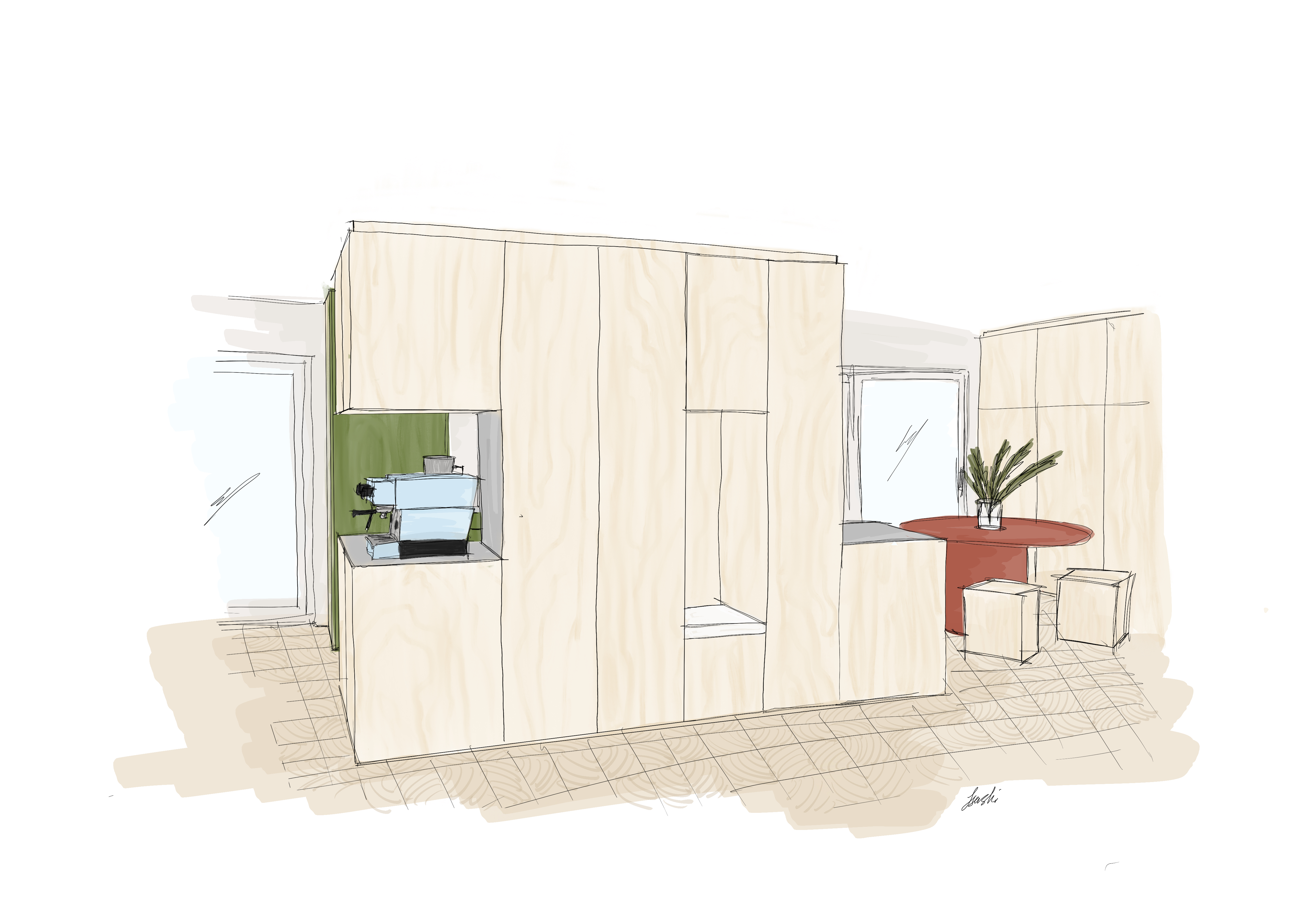

Planning a kitchen renovation is one of the more considered decisions a homeowner makes. The kitchen is not simply a room — it is the axis of daily life. Getting it right requires patience, a clear brief, and a builder you trust implicitly. What follows is what we tell every client before a project begins.
Start with the why
Before materials, before layout, before budget — understand what you need the space to do. Is it flow you are after? Storage? The feeling of the room in the morning light? A brief built on function and feeling, rather than references alone, produces better outcomes every time. The most resolved kitchens we have built began with a client who could articulate exactly how they wanted to live in the space.
Engage a designer early
The builder-designer relationship is where most kitchen renovations succeed or fail. When a designer and builder are aligned from the outset — on tolerances, on lead times, on what is achievable within the budget — the project moves with confidence rather than constant revision.
The decisions made on paper are exponentially cheaper to change than the ones made on site.
At Atelier, we work closely with our design collaborators from concept stage — not as a formality, but because resolving a design thoroughly before breaking ground is how you protect both the budget and the outcome. We currently work alongside Design + Diplomacy, whose approach to residential interiors aligns closely with our own.
Understand the timeline
A well-run kitchen renovation takes time. Not because builders are slow — but because quality has sequence. Demolition, framing adjustments, rough-in trades (plumbing, electrical), waterproofing where applicable, joinery installation, tiling, and finishing work each depend on the last. A realistic timeline for a kitchen renovation is 8 to 14 weeks from site commencement, depending on scope and the complexity of joinery. Add four to eight weeks prior for design finalisation and any council approval if structural changes are involved.
Plan for disruption
The kitchen will be unavailable for the duration. This sounds obvious, but it is consistently underestimated. Arrange a temporary cooking setup — a kettle, a microwave, and a single burner will carry most households through. Communicate clearly with your builder about access, noise windows, and end-of-day site conditions. A builder who keeps a clean, orderly site is a builder who respects your home as well as their own work.
Material decisions have lead times
Stone benchtops, imported tiles, custom joinery — none of these are off-the-shelf items. Lead times of six to twelve weeks are common, and in some cases longer. Making these decisions late is the single most common cause of project delays. Once your design is resolved, lock in your materials. Change your mind before site commencement, not after slab is poured or walls are tiled.
Budget for the unexpected
In renovation work, walls and floors are opened that have not been touched in decades. Behind them you may find inadequate wiring, old plumbing that requires upgrading, or structural conditions that need attention. A contingency of 10 to 15 percent is not pessimism — it is prudent planning. The builders who quote low and charge high for variations are not the builders you want in your home.
How Atelier approaches it
We treat every kitchen renovation as a considered project, not a production run. Our process begins with a detailed site assessment, a fixed-price contract, and a construction programme we share with you from day one. We work only with designers who share our commitment to resolved outcomes — spaces that feel inevitable once complete, not assembled. Every material choice, every detail, every junction is deliberate.
If you are considering a kitchen renovation in Melbourne and would like to discuss your project, we would be glad to hear from you.
Ready to Begin?
Share your brief and Rodney will be in contact within one working day.
Begin Enquiry